Does augmentation cystoplasty cause bladder cancer, or are we attributing the malignancy risk of a chronically abnormal bladder to the operation performed to treat it? In Season 4, Episode 27 of Pediatric Urology Academy, Amin Afrasiabi, MD, examines one of the most...
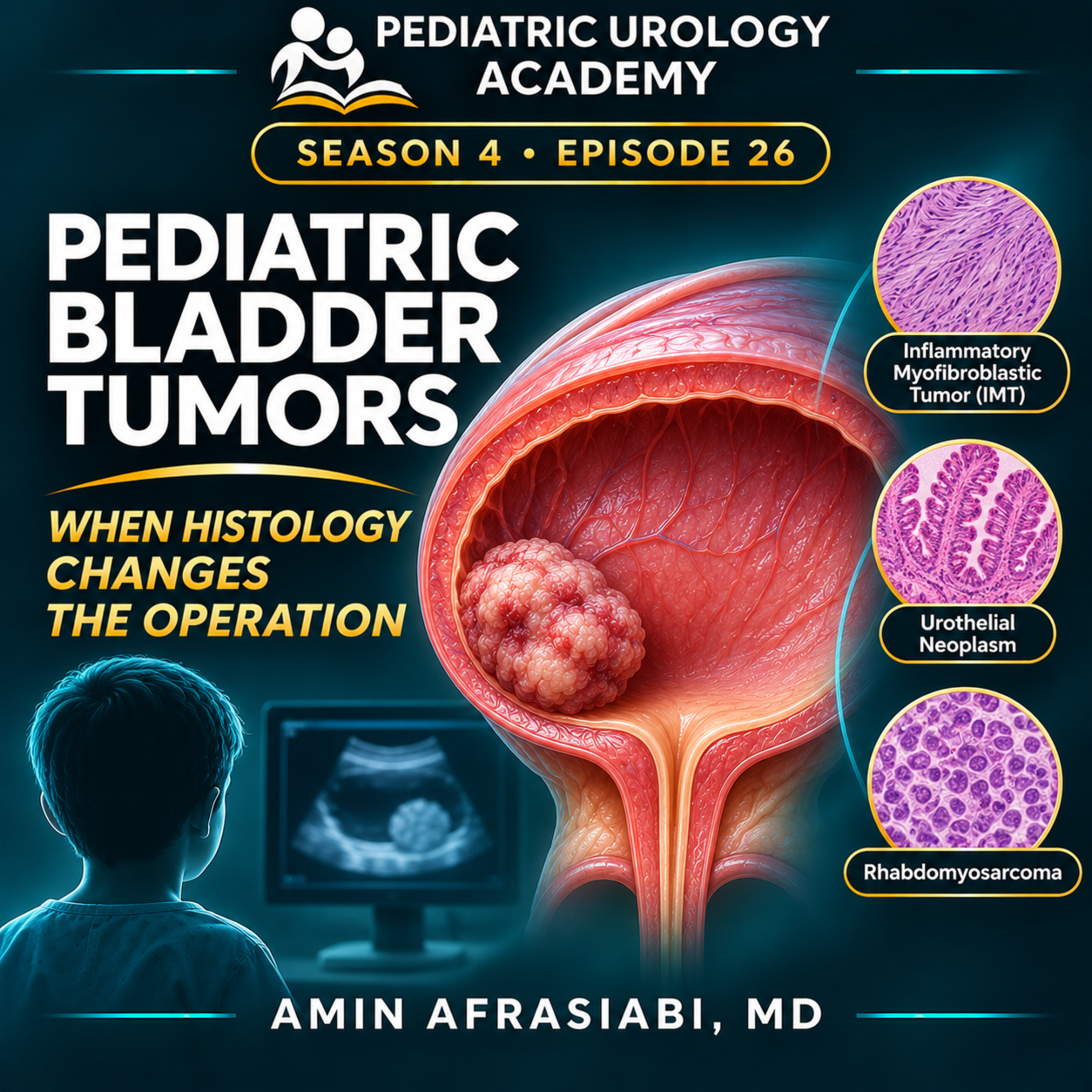
A child presents with gross hematuria and a bladder mass. Imaging raises concern for malignancy. But is this rhabdomyosarcoma, an inflammatory myofibroblastic tumor, or a urothelial neoplasm? The distinction can completely change treatment. In Season 4, Episode 26 of...
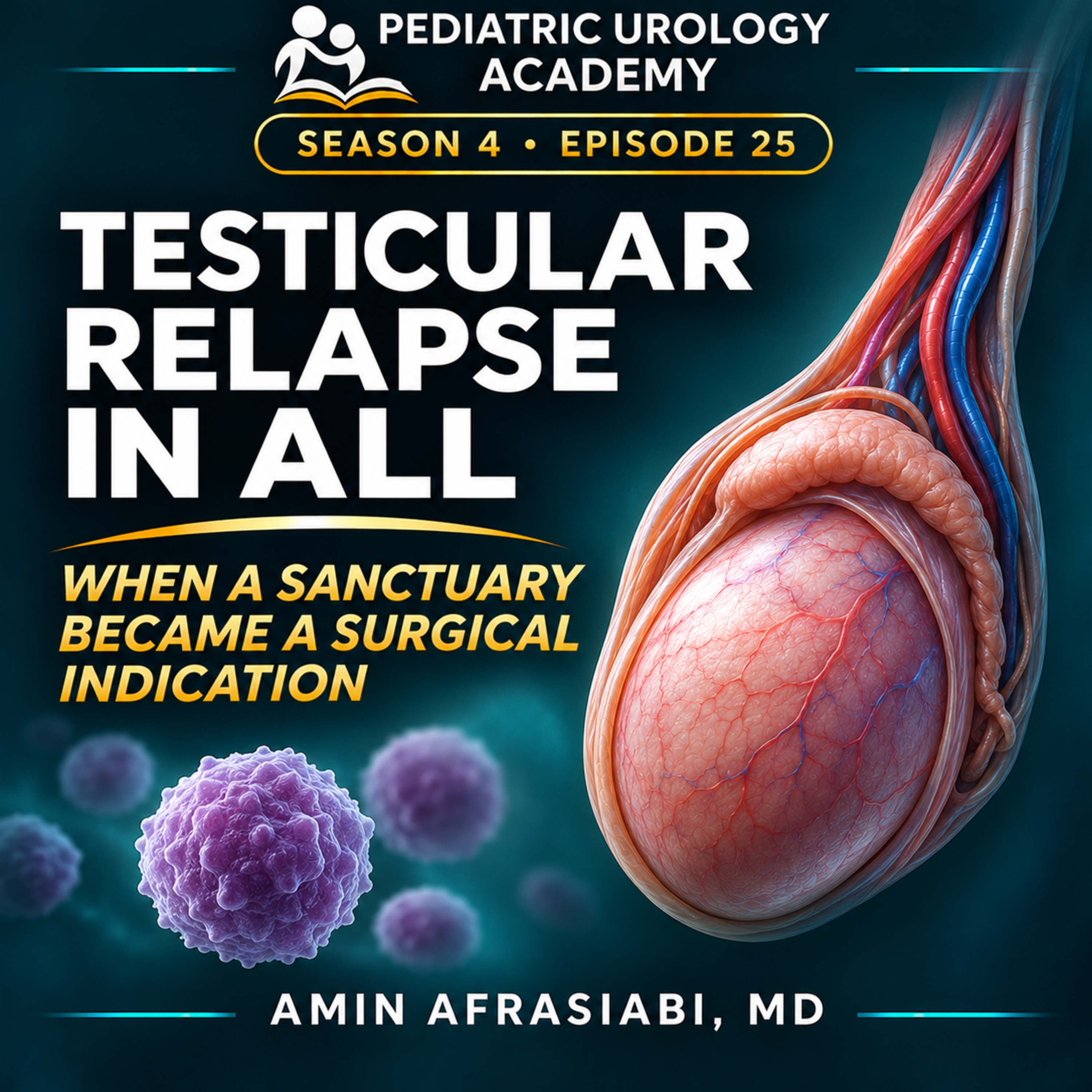
For decades, the testis was considered a sanctuary site in childhood acute lymphoblastic leukemia. Some cooperative-group protocols required testicular biopsy before treatment could be discontinued, even in boys with normal examinations and apparently complete remission. But...
Testicular germ cell cancer is among the most curable malignancies affecting adolescents and young adults. But what happens decades after treatment? A 2026 population-based study examined 1,870 deaths among patients with testicular germ cell tumors. Approximately 52% were...
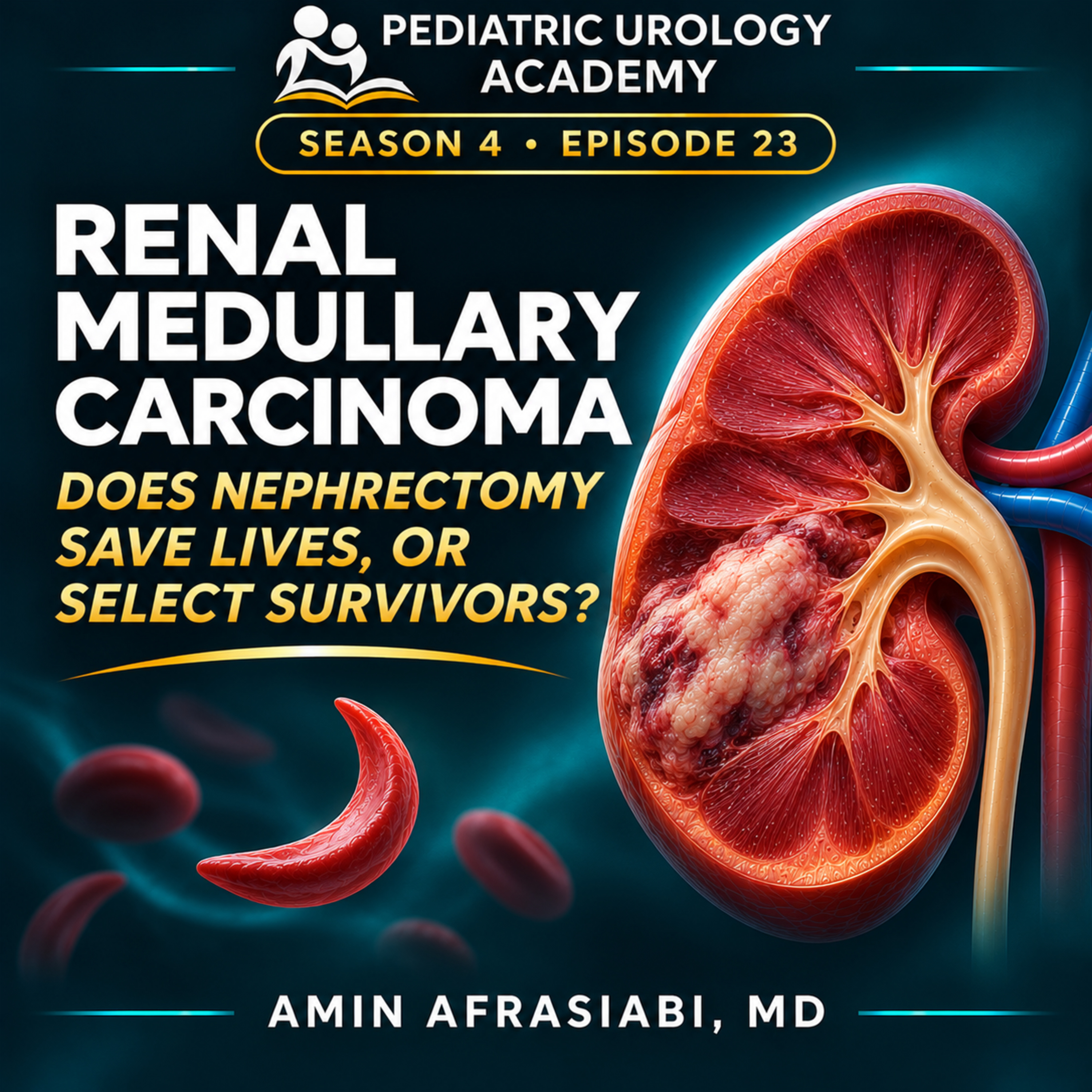
Two multicenter studies. Two striking survival differences. One unresolved surgical question. Patients with renal medullary carcinoma who underwent nephrectomy survived substantially longer than those who did not. But did surgery improve survival, or were patients with more...
Can an aggressive operation overcome a tumor whose biology determines prognosis so early in life? In a historical National Wilms Tumor Study analysis of 142 children with malignant rhabdoid tumor of the kidney, age at diagnosis was a powerful prognostic factor. Survival was...
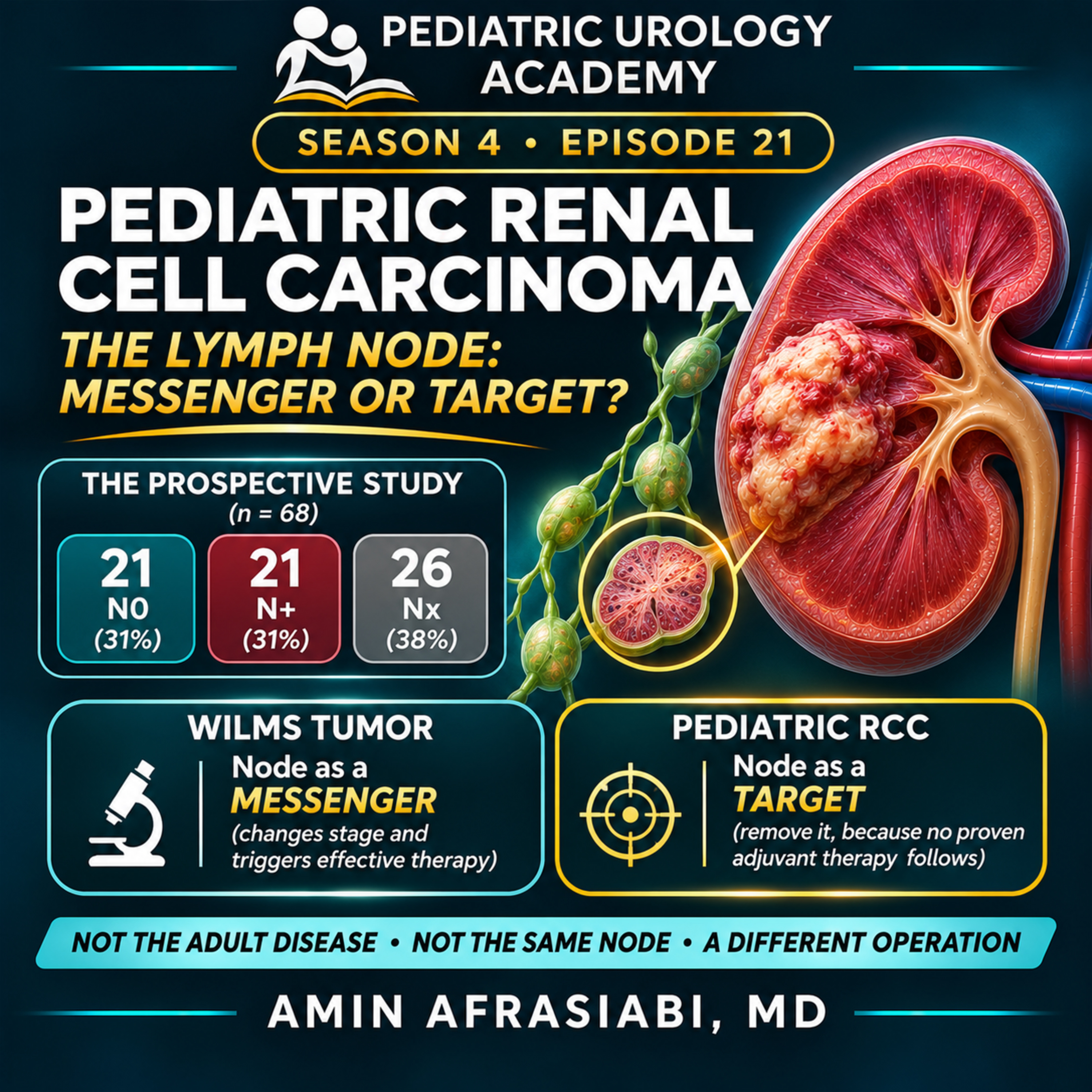
AREN0321 was the first prospective cooperative-group study ever completed in pediatric renal cell carcinoma, and it was built around one question: does a positive lymph node mean the same thing in a child that it means in an adult? Of sixty-eight patients, twenty-one were...
What if we could treat the precursor of Wilms tumor before a malignancy develops? Diffuse hyperplastic perilobar nephroblastomatosis presents an unusual dilemma in pediatric renal oncology: administering chemotherapy to preserve kidneys and reduce the risk of future cancer...
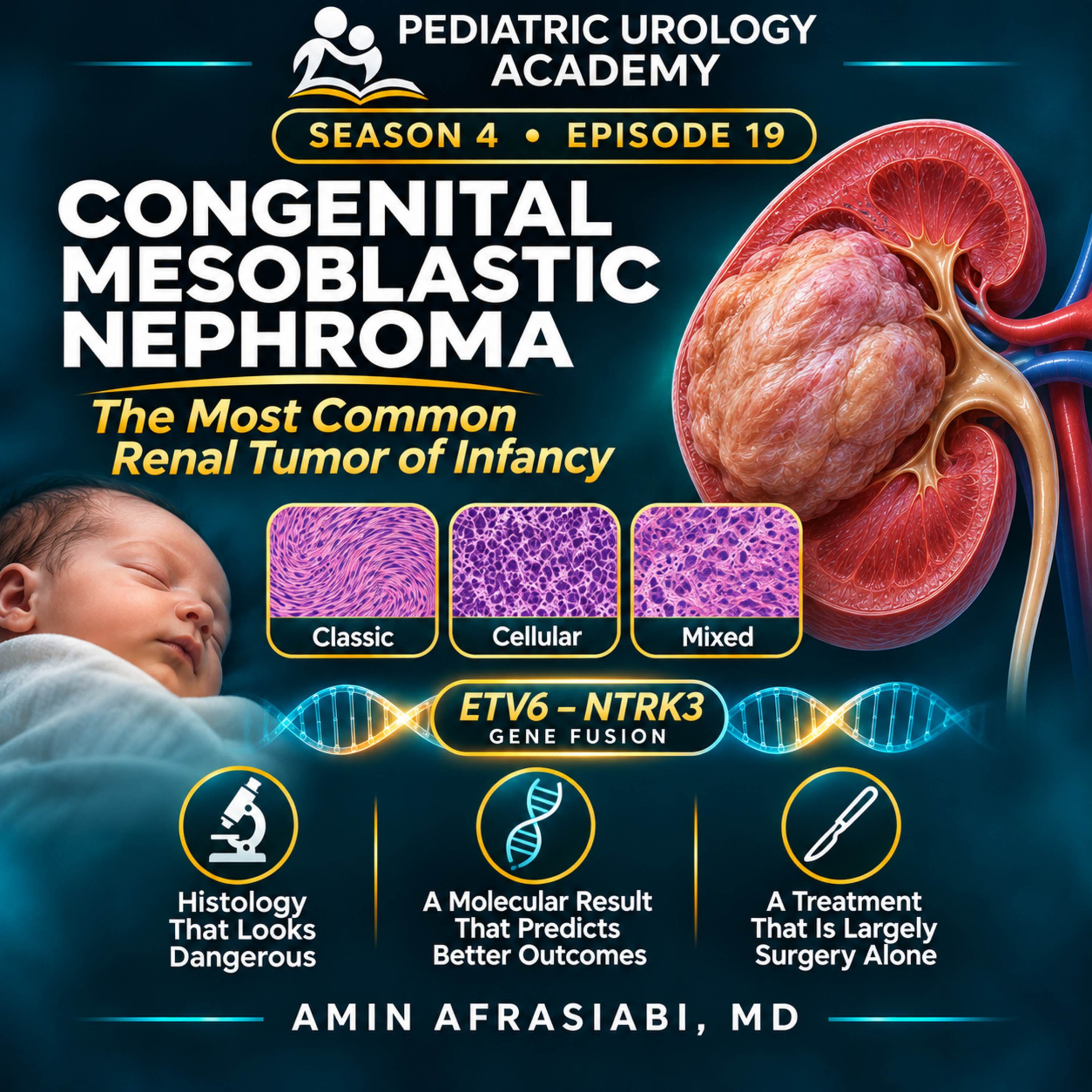
A renal mass is detected before birth. Histology reveals a highly cellular tumor with frequent mitoses, resembling an aggressive sarcoma. Yet the molecular findings may predict a favorable outcome. In this episode of Pediatric Urology Academy, Amin Afrasiabi, MD, examines the...
In clear cell sarcoma of the kidney, the most important site of relapse may not be where the surgeon operated. It may be the brain. For decades, even stage I clear cell sarcoma was routinely treated with postoperative radiotherapy. Then the Children's Oncology Group...
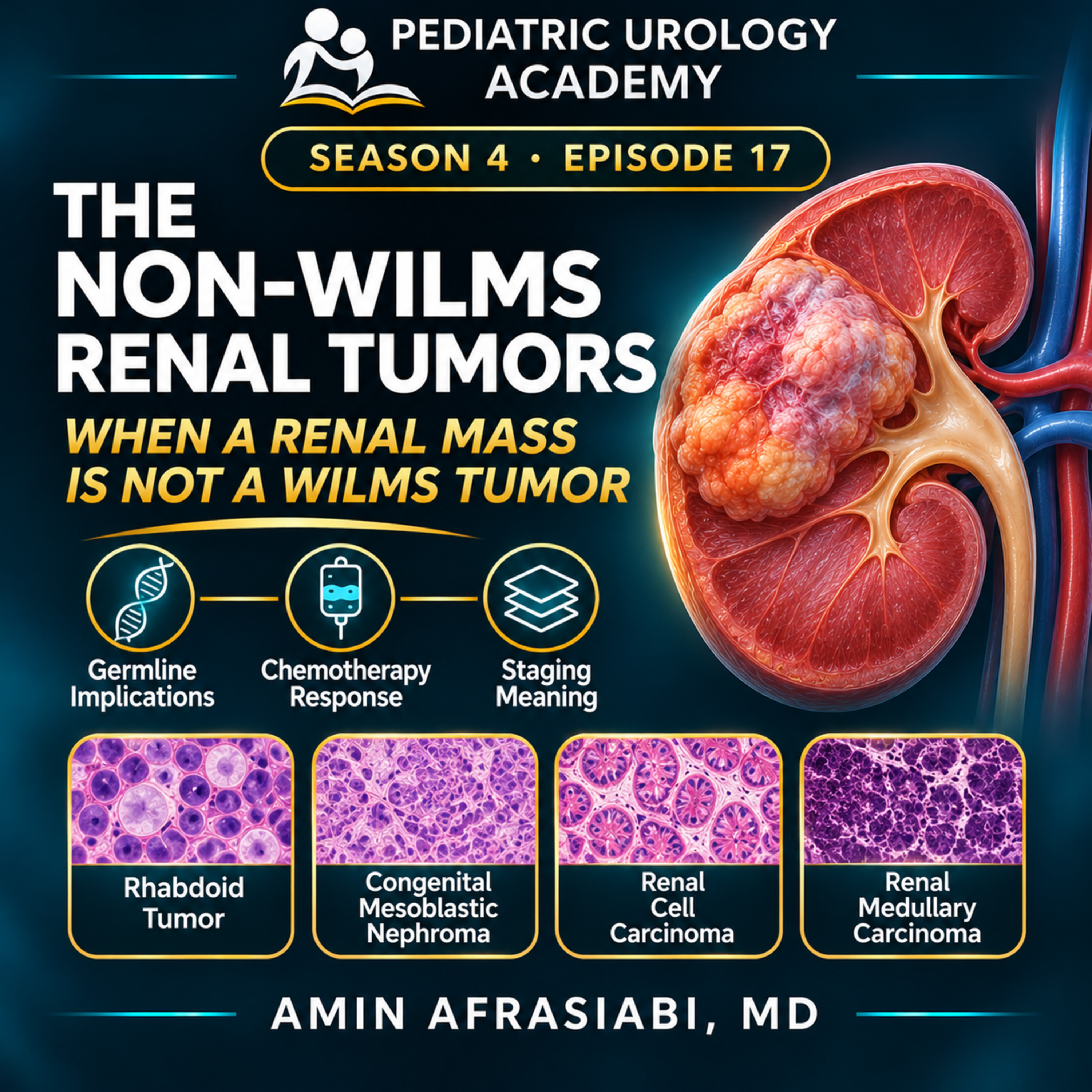
A three-year-old presents with a solid renal mass. Imaging strongly suggests Wilms tumor. But what happens when the diagnosis is wrong? Not every pediatric renal malignancy behaves like Wilms tumor. Rhabdoid tumor, renal cell carcinoma, renal medullary carcinoma, and...
A two-year-old has a multilocular cystic renal tumor. Pathology confirms cystic nephroma. The lesion is benign, and surgery may be curative. But the diagnosis raises questions extending far beyond the kidney. In this episode of Pediatric Urology Academy, Amin Afrasiabi, MD...
A 12-year-old boy has paratesticular rhabdomyosarcoma. His staging CT shows no enlarged retroperitoneal lymph nodes. Can we trust the scan? In a Children's Oncology Group analysis of 279 patients, imaging missed more than half of pathologically involved nodes in older...
We saved the bladder. But did we preserve its function? In a landmark analysis of 88 children with bladder and prostate rhabdomyosarcoma, only 36 were reported to be alive, event-free, and have normal bladder function. Even that assessment relied primarily on clinical history...
For decades, yolk sac tumor was considered the most common testicular tumor in prepubertal boys. Then multicenter pathology data revealed a different picture: most prepubertal testicular tumors are benign. How did an incomplete picture of tumor biology influence generations...
Children who undergo surgery for relapsed Wilms tumor appear to survive longer. But does surgery improve survival, or are children with more favorable relapses simply more likely to undergo surgery? In this episode of Pediatric Urology Academy, Amin Afrasiabi, MD, examines...
What if the most important nephron-sparing decision happens before a child develops Wilms tumor? A one-year-old with atypical genitalia, a 46,XY karyotype, and proteinuria presents with normal-appearing kidneys. Yet this combination may signal a WT1-related disorder, with...
Twenty-four children underwent minimally invasive nephrectomy for Wilms tumor. No tumor ruptured, every child was alive at follow-up, and twenty-three of twenty-four remained event-free. Adequate lymph-node sampling was reported in only two. This episode asks what it means...
Partial nephrectomy for unilateral Wilms tumor is one of the most debated operations in pediatric surgical oncology, and one of the rarest. When the opposite kidney is normal, what does preserving a remnant actually buy, and what might it cost? This episode treats unilateral...
In bilateral Wilms tumor, chemotherapy can make nephron-sparing surgery possible. But when does continued treatment stop improving surgical options and start delaying definitive care? This episode of Pediatric Urology Academy examines the twelve-week surgical decision through...
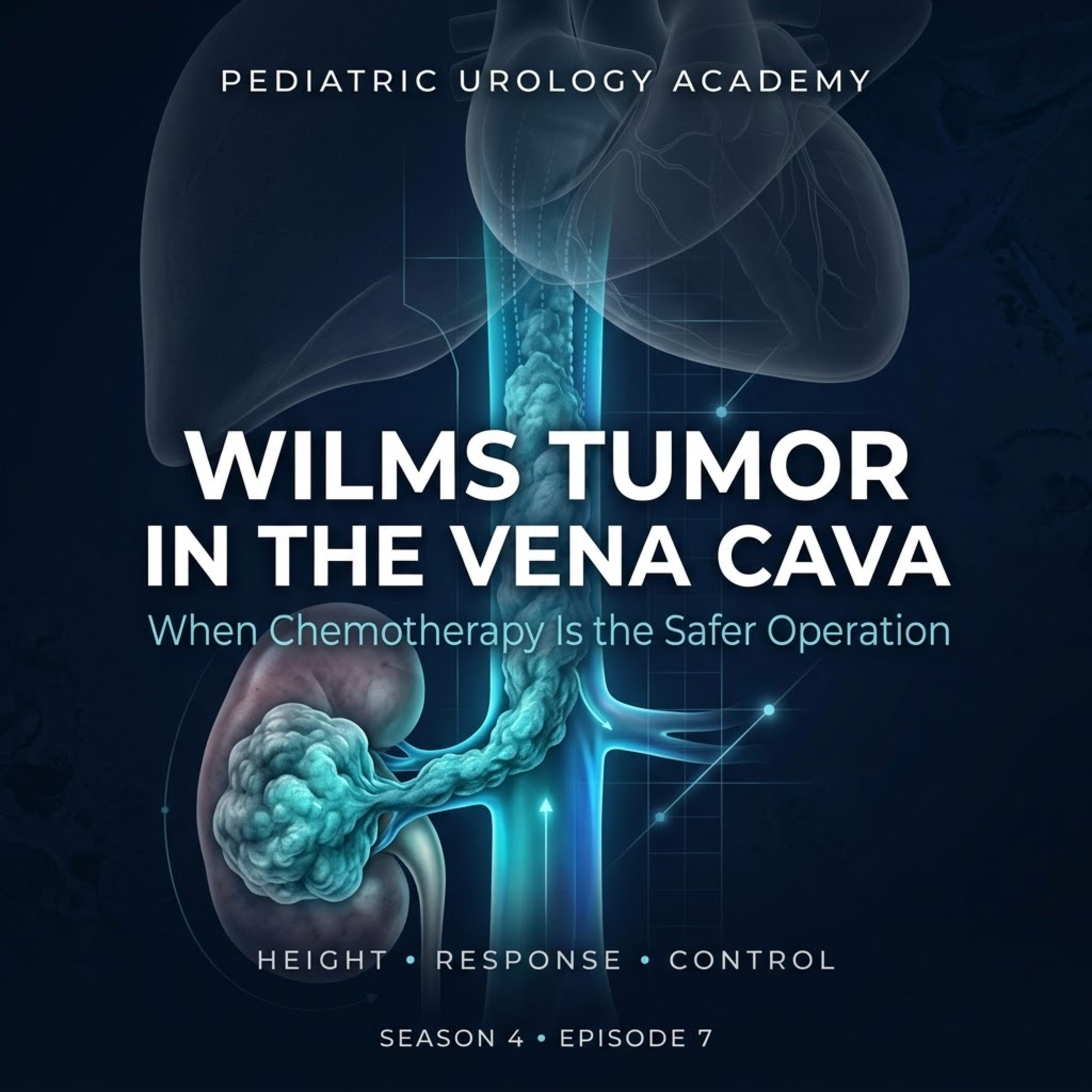
A Wilms tumor extending into the inferior vena cava can look like a surgical emergency. Sometimes the safer oncologic decision is to wait. This episode examines venous tumor thrombus in Wilms tumor and asks when preoperative chemotherapy should be viewed not only as cancer...
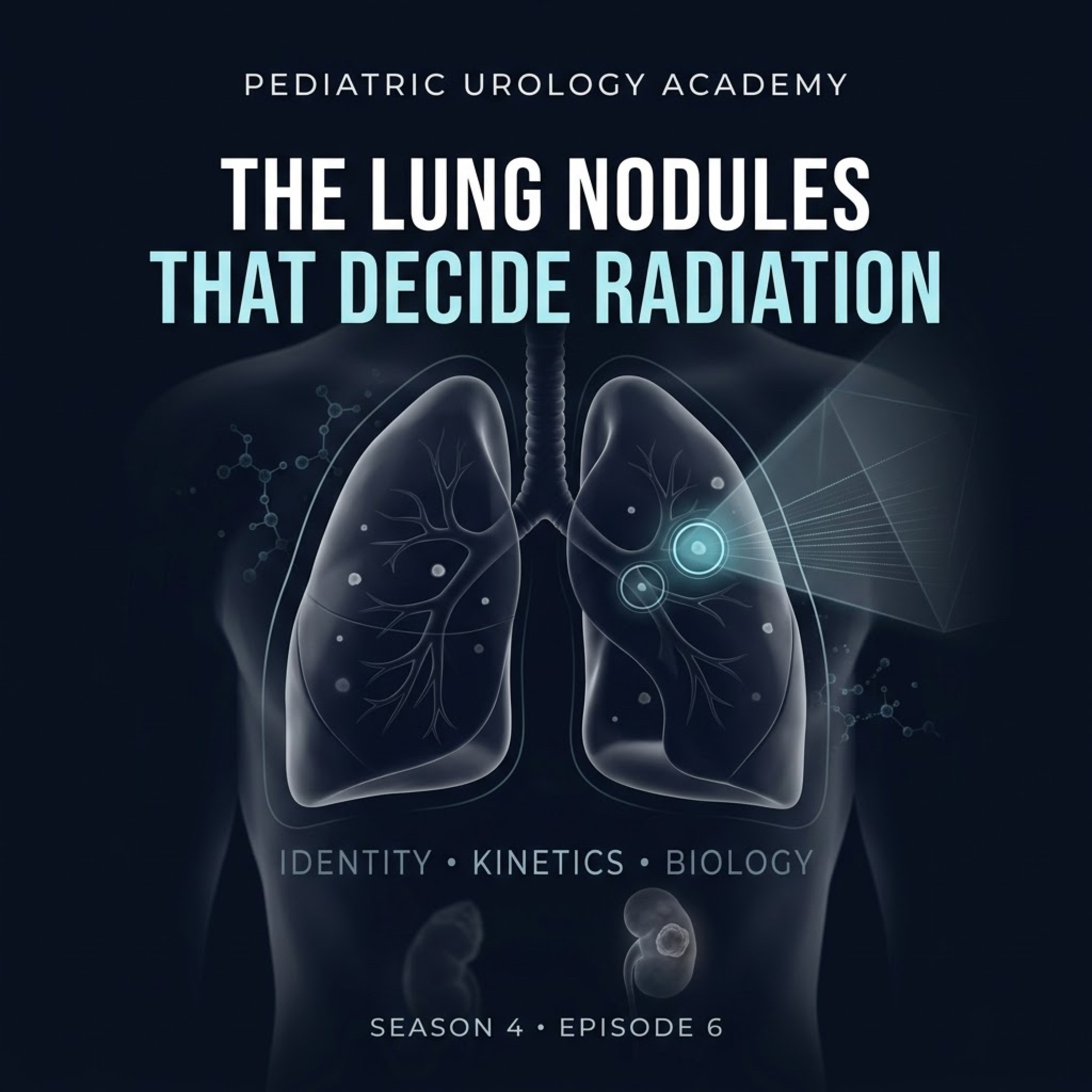
A few millimeters on chest CT can change the entire treatment pathway for a child with Wilms tumor. This episode examines the uncertainty behind pulmonary nodules: which lesions are truly metastatic, what chemotherapy response actually tells us, when persistent nodules still...
Wilms tumor treatment was once organized primarily around stage. AREN2231 is testing a more complex model. This episode examines how the Children’s Oncology Group is integrating anatomic stage with molecular biology and treatment response to determine who may need less...
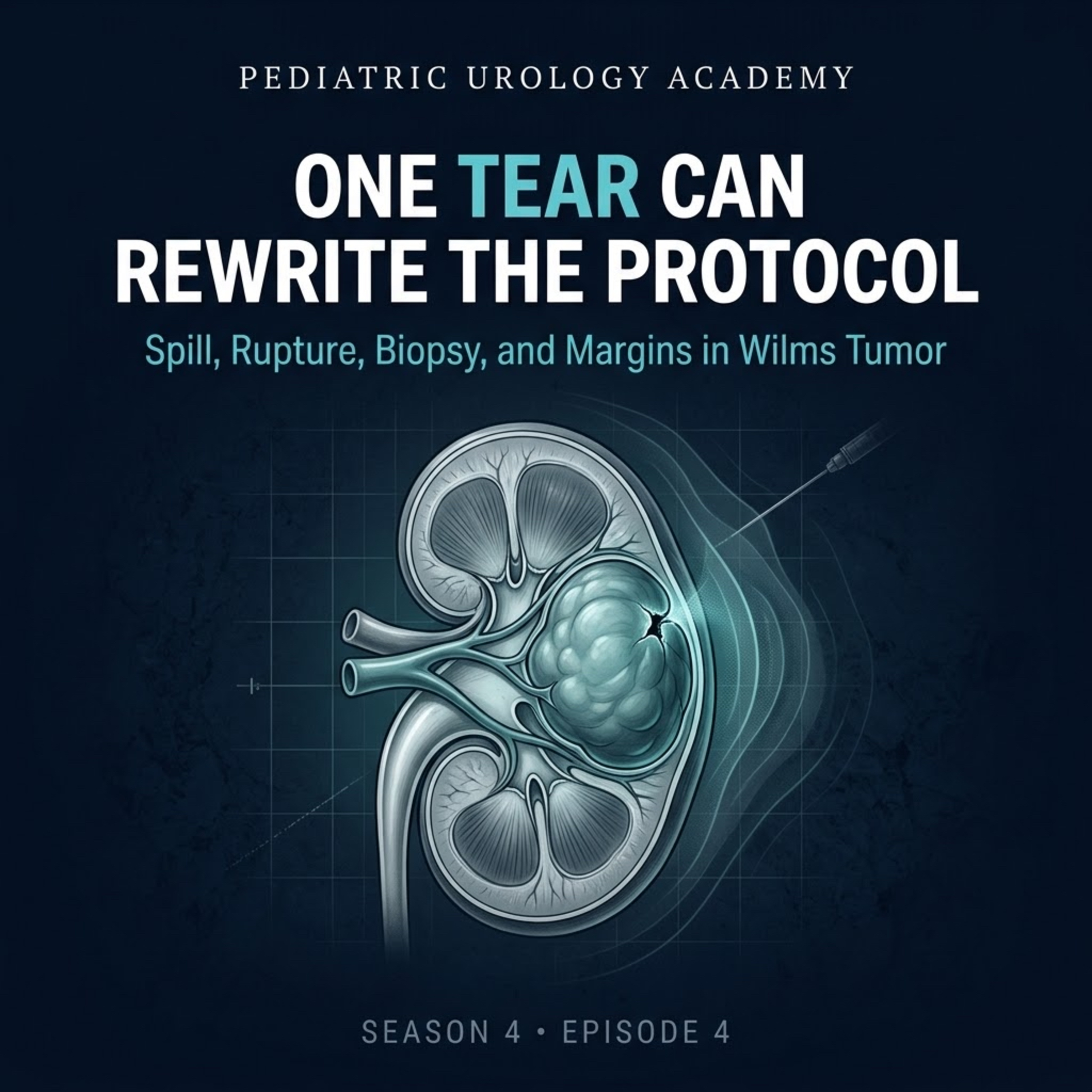
A Wilms tumor can be completely removed and still become a stage III problem. This episode examines the events that can change local staging despite apparently successful surgery: tumor spill, preoperative rupture, biopsy, and positive margins. We explore why these events are...
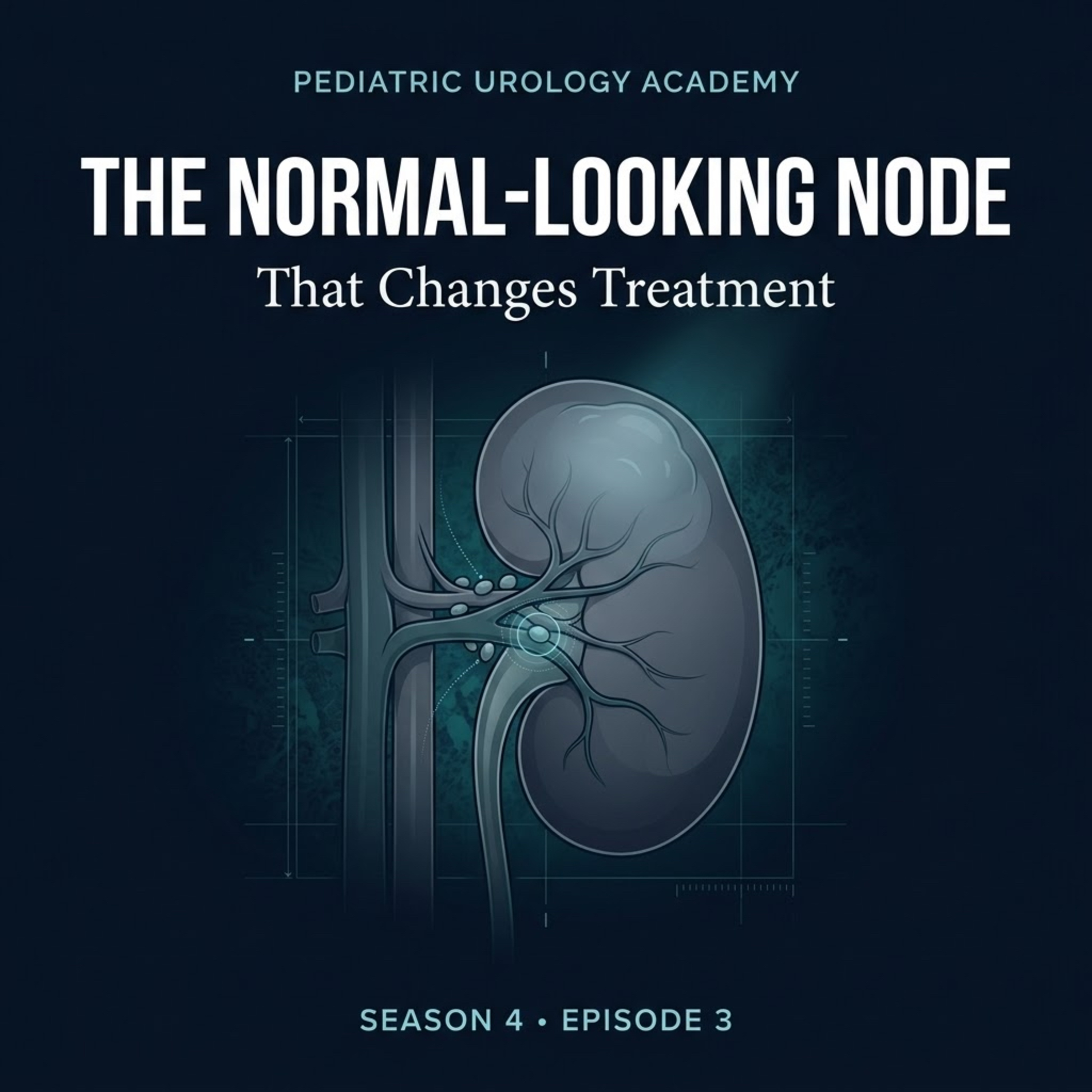
In Wilms tumor surgery, lymph-node sampling is not a technical afterthought. It is part of the staging operation. This episode examines why normal-looking nodes can still contain tumor, why suspicious nodes can be reactive, and why the purpose of sampling is not therapeutic...